

What Records Can a Dallas Truck Brake Failure Lawyer Review?
A semi-truck slows on a Dallas roadway, but its brakes seem not to respond as expected. Was the problem worn components, missed maintenance, driver conduct, road conditions, or a part that failed without warning? People looking for a truck brake failure accident lawyer in Dallas often want to know what evidence can distinguish these possibilities. The important point is that a braking problem is a reason to investigate, not proof that someone was negligent.
Husain Law helps readers understand the questions that can arise after a serious truck collision. This article outlines possible warning signs, the maintenance and inspection records that may matter, and how investigators may compare mechanical evidence with driver actions and operating conditions. It also explains why preserving records and components can be important, and why the cause should not be assumed before the evidence is reviewed.
How a Dallas Truck Brake Failure Accident Lawyer May Assess Maintenance Records
A brake-related crash investigation often begins with a timeline: what condition was the truck in before the trip, what concerns were reported, what repairs were performed, and what was found after the collision? Records can help answer those questions, but each document needs context. A repair entry, for example, may show that a part was serviced; it does not by itself establish whether the repair was adequate or whether a later failure caused the crash.
Potentially relevant materials may include:
- Inspection reports and driver vehicle inspection reports, including noted defects and any follow-up.
- Maintenance schedules, work orders, repair invoices, and records of parts installed or replaced.
- Records of complaints about braking, air systems, unusual sounds, pulling, or longer stopping distances.
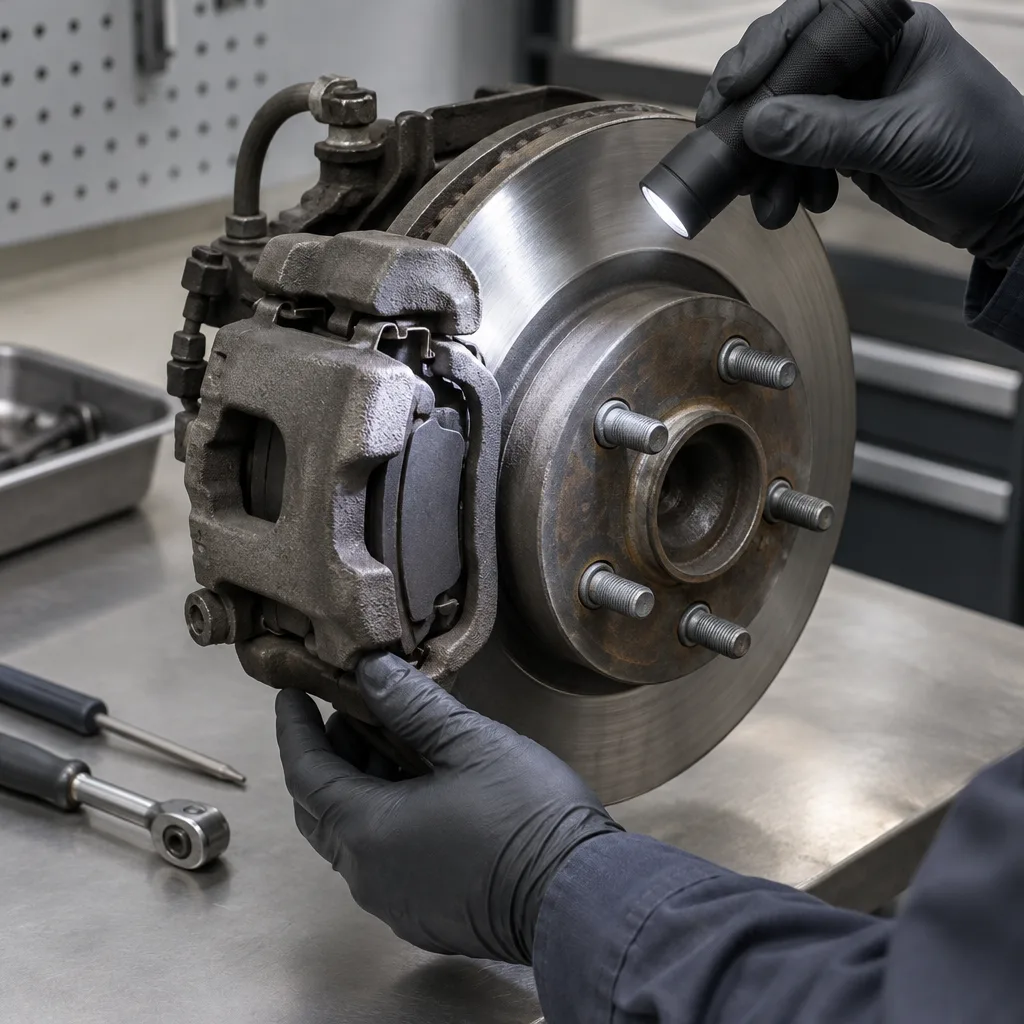
- Post-crash photographs, inspection findings, and examination of brake components.
A driver’s report of a warning light, air-pressure issue, or change in braking may be worth examining alongside shop records. So may evidence of heat damage, wear, leaks, or a broken component—but those findings need qualified interpretation. Reviewing evidence that may help establish truck brake failure can provide more detail on how records and physical findings may fit together. Neither a symptom nor a failed component, standing alone, establishes fault.
What Can Separate a Mechanical Problem From Driver Conduct?
A mechanical problem is only one possible explanation for a truck’s stopping performance. Investigators may also consider speed, following distance, braking decisions, load, road grade, weather, traffic, and visibility. These factors can interact: a brake defect may affect stopping ability, while the timing of a driver’s response or roadway conditions may also matter. A careful review considers the sequence rather than treating one clue as a complete answer.
Depending on what is available, investigators may compare physical inspections with the responding agency’s crash report, witness accounts, photographs, and electronic truck data. Data may record speed or braking activity around an event, but it can be incomplete, may require technical interpretation, and does not necessarily identify why a system behaved as it did. See how electronic truck data about speed and braking may add context without deciding causation on its own.
In Dallas, a report prepared by the responding law enforcement agency may be one source of information. Texas crash records may also be available through the Texas Department of Transportation, subject to applicable access and release rules. A report can document observations and statements, but it is not necessarily a final determination of civil responsibility. Texas law and procedures can change and may differ from those in other jurisdictions.
Responsibility may also depend on who controlled inspection, repair, or operating decisions. A carrier, maintenance contractor, driver, or component maker could warrant investigation depending on the evidence; none should be presumed responsible just because a brake problem is suspected. Read about potential responsibility beyond the truck driver for a broader overview. Where multiple actions may have contributed, how Texas comparative fault can affect a truck crash claim may also be relevant.
Preserving Evidence After a Suspected Brake-Related Crash
Some evidence is easier to assess soon after a collision. The truck may be repaired, moved, or returned to service, while video or electronic records may not remain available indefinitely. A post-crash examination can document the condition of brake parts and related systems, but the method and timing of the inspection matter. If a component is removed or altered, records of that work may help explain what was examined and when.
Depending on the circumstances, useful materials may include maintenance files, inspection notes, work orders, photographs, tow or storage records, and available electronic data. Video can help show traffic, road conditions, and the events before braking; information about preserving truck dashcam footage after a crash explains why timely attention to recordings can matter. A lawyer or qualified investigator may assess what evidence is relevant and how it can be preserved.
For someone involved in a crash, immediate safety and health concerns come first. Once it is safe, documenting visible conditions and obtaining the responding agency’s information may help create a record, but a person should not approach or handle a damaged truck or try to inspect dangerous equipment. The guide to steps to take after a semi-truck crash in Dallas covers general post-collision considerations. Avoid publicly declaring the cause before records and physical evidence are evaluated; a brake malfunction is a lead to investigate, not a conclusion.
Frequently Asked Questions
Does a failed truck brake prove that the carrier was negligent?
No. A brake failure may justify investigating the truck’s condition, but it does not by itself show that a carrier, driver, or repair provider failed to use reasonable care. Investigators may examine inspection and maintenance records, notice of earlier problems, repair work, operating conditions, and the component itself. The significance of each finding depends on the complete evidence and the circumstances of the crash.
What maintenance records may matter after a Dallas truck crash?
Potentially useful records include inspection reports, driver defect reports, maintenance schedules, repair orders, invoices, and documentation of parts replaced or adjustments made. Records of earlier complaints about stopping, air pressure, or unusual braking behavior may also provide context. Which materials matter depends on the vehicle and issues being investigated; a single entry rarely answers every question about cause or responsibility.
Can a post-crash brake inspection identify what caused the collision?
It may help, but an inspection is not always conclusive on its own. Investigators may document wear, damage, leaks, heat effects, or a broken part and compare those findings with maintenance history, vehicle data, roadway conditions, and witness accounts. The condition of a component after impact can require careful interpretation because the collision itself may have affected it.
What if the driver says the brakes worked before the crash?
That statement is one piece of information, not necessarily the final word. Investigators may compare it with inspection records, prior complaints, repair history, physical findings, and any available electronic data or video. Driver observations can be relevant, but they may not reveal an internal or intermittent problem. The available evidence and the timing of any symptoms will shape how the account is assessed.
How Husain Law Can Help
Husain Law is dedicated to helping people understand the issues that can arise after a semi-truck crash in Dallas. A brake-related investigation may involve maintenance files, inspection and repair records, physical examination, and evidence about the moments before impact. The firm can evaluate the circumstances, explain potential legal options, and consider whether other parties or causes warrant investigation, without assuming that a suspected defect proves fault.
If you have questions after a truck collision, contact Husain Law to discuss your situation and request a free consultation or case evaluation. The information available and the legal options that may apply depend on the individual facts.
The information in this article is for educational purposes only and does not constitute legal advice. Contact a qualified attorney authorized to practice in the jurisdiction that applies to your matter for advice specific to your situation.


Leave a Reply
Want to join the discussion?Feel free to contribute!