Can Texas Comparative Fault Shift Dallas Truck Blame?
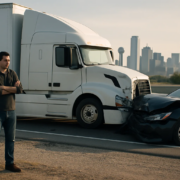
A collision with a tractor-trailer can leave more than damaged vehicles. It can also lead to an early argument that the passenger-car driver was speeding, changed lanes improperly, followed too closely, braked without warning, or failed to use an available safety device. If you are researching Texas comparative fault truck accident Dallas issues, understanding how those allegations are tested may help you evaluate the dispute more clearly.
Texas comparative responsibility questions are usually fact-specific. A trucking company’s statement is not the same as a proven percentage of fault. The evidence may show that several conditions contributed to the crash, including the truck’s speed, braking, maintenance, cargo, driver decisions, or roadway conditions. The Dallas truck accident lawyers at Husain Law can help readers understand what evidence may matter without assuming that any one party is automatically responsible.
This article explains how vehicle damage, photographs, witnesses, electronic data, medical records, and reconstruction analysis may answer blame allegations in Dallas, Texas. It also addresses how responsibility may be evaluated among the driver, trucking company, maintenance providers, and other involved parties.
How Does Texas Comparative Fault Apply to a Dallas Truck Accident?
Texas uses proportionate-responsibility principles in many negligence disputes. Generally, each party’s conduct is evaluated and assigned a percentage if the evidence supports shared responsibility. Depending on the facts and the claims involved, a person found partly responsible may see damages reduced by that percentage. Texas rules can also limit recovery when a claimant’s responsibility exceeds a statutory threshold, so a licensed Texas attorney should verify how the current law applies.
What allegations commonly arise?
In a Dallas truck accident liability dispute, a carrier or insurer may contend that the other driver:
- Was traveling too fast for traffic or weather conditions;
- Changed lanes into the truck’s path;
- Followed too closely;
- Braked suddenly or stopped unexpectedly;
- Failed to account for standing water, debris, construction, or poor visibility; or
- Did not use an available seat belt or other safety device.
These allegations may matter, but they do not resolve causation by themselves. For example, a sudden braking claim may require analysis of what appeared ahead, how much stopping distance existed, whether the truck was following at a safe distance, and whether the truck’s brakes or load affected its response.
What Evidence Can Challenge a Truck Accident Blame Allegation?
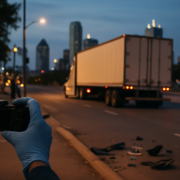
Evidence should be evaluated as a connected record rather than as isolated details. Physical damage can help show the direction and force of an impact, while roadway photographs may document lane markings, traffic signals, debris, lighting, weather, and visibility before those conditions change. The steps to preserve evidence after a Dallas semi-truck crash may include preserving photographs, witness information, vehicle evidence, and medical documentation.
Can electronic data test speed or braking claims?
Some commercial vehicles may contain electronic control module information or other records that can reflect speed, braking, driver inputs, and timing. These records are not automatically conclusive. Their meaning can depend on data availability, vehicle systems, download methods, calibration, and the physical evidence. Reviewing electronic truck records showing speed and braking alongside photographs, statements, and roadway geometry may provide a more complete account.
Witness accounts can also help establish traffic movement, signal phases, lane positions, and whether a truck appeared to accelerate, drift, stop, or remain stationary. Independent accounts may conflict, so credibility and consistency matter. In Dallas, Texas, crash reports and information from investigating agencies may be useful starting points, but a report is not necessarily the final determination of civil liability.

Could vehicle condition or cargo explain the collision?
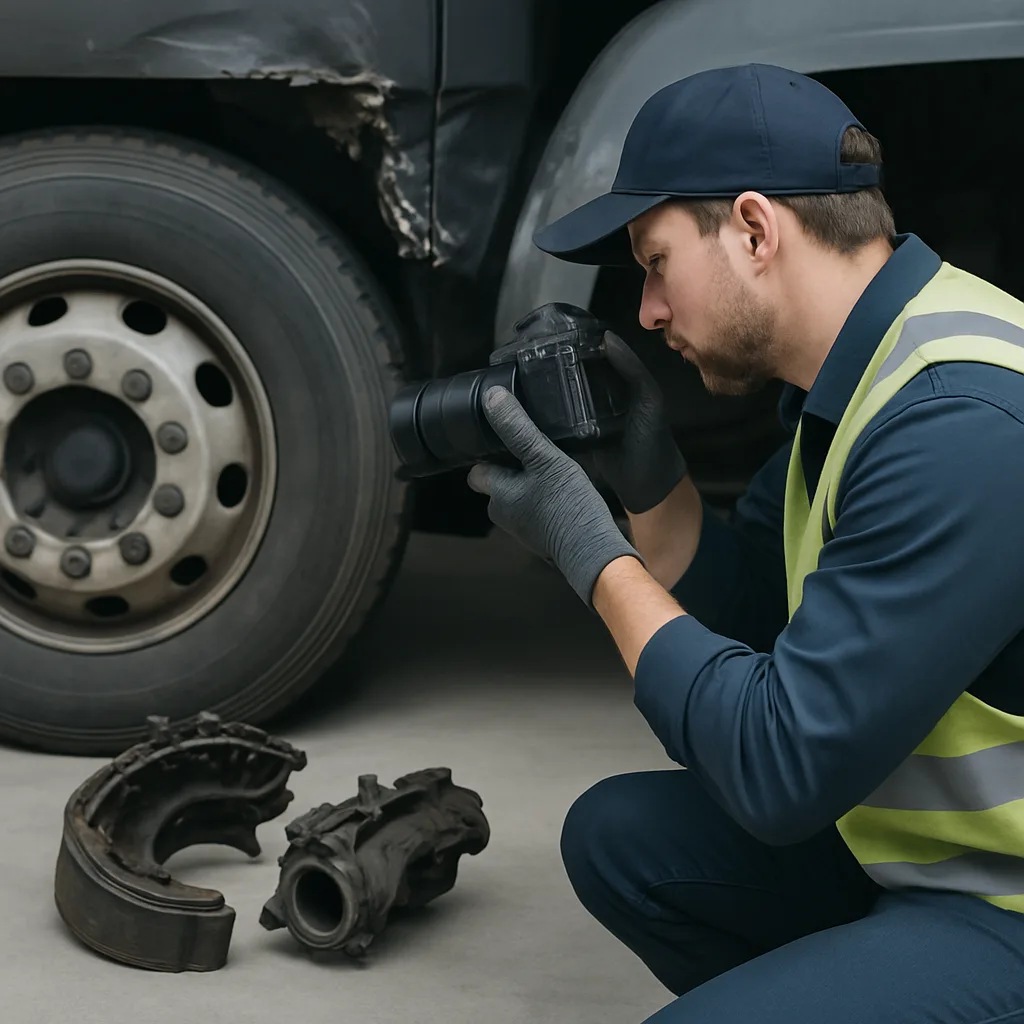
A truck’s mechanical condition may be relevant when a company argues that a passenger vehicle caused the crash by stopping or changing lanes. Brake inspections, maintenance histories, damaged components, post-crash testing, and stopping-distance analysis may address whether the truck could respond as expected. Related evidence of truck brake failure or poor maintenance may help distinguish a driver-conduct allegation from a vehicle-condition issue.
Cargo may create another line of inquiry. Weight distribution, securement, shifting loads, and loading documents may affect stability, stopping, jackknifing, or sudden lane movement. Reviewing cargo-loading evidence in a Dallas truck crash may be important when the company blames the other vehicle for a rollover, lost load, or unstable maneuver.
Who May Share Responsibility in a Dallas Truck Crash?
A blame allegation may focus on the person behind the wheel, but a complete investigation can involve other entities and decisions. Depending on the evidence, questions may concern hiring, training, supervision, dispatch pressure, vehicle inspection, maintenance, loading, or the conduct of a broker or service provider. The possible legal theories and responsible parties depend on the facts, contracts, and applicable Texas law.
Readers evaluating potential claims against the trucking company and other responsible parties should understand that identifying a company as a defendant does not automatically establish liability. It may, however, prompt review of records beyond the crash scene, such as inspection materials, driver qualification information, maintenance files, dispatch communications, and cargo documents.
How do medical records fit into a fault dispute?
Medical records may address more than the amount of damages. Emergency evaluations, diagnostic studies, treatment notes, prior-history comparisons, and physician opinions may help establish when symptoms began, whether treatment is consistent with the reported collision, and whether another condition is being alleged as the cause. Medical records and future care evidence in Dallas truck claims can also help explain the continuing effects of an injury without relying only on memory after the event.
A reconstruction professional may combine vehicle inspections, photographs, event data, scene measurements, surveillance footage, witness statements, and medical timing. Reconstruction cannot eliminate uncertainty in every case, and competing experts may reach different conclusions. Its role is to test competing explanations against the available evidence.
What mistakes can weaken the factual record?
Common problems include repairing or selling a vehicle before it is documented, deleting photographs, failing to identify witnesses, discussing fault speculatively, or treating an insurance statement as a complete investigation. Medical care decisions are personal and should be discussed with qualified healthcare professionals; from an evidence perspective, consistent documentation can help clarify the timing and nature of reported injuries. Depending on the circumstances, an attorney may advise preserving relevant records and limiting unsupported conclusions about responsibility.
Frequently Asked Questions
Can a trucking company automatically assign me fault after a Dallas crash?
No. A trucking company or insurer may make an allegation, but the allegation is not automatically a legal finding. In Texas, comparative responsibility generally depends on evidence concerning each person’s conduct and how that conduct contributed to the collision. Photographs, vehicle damage, electronic data, witness accounts, medical records, and expert analysis may support or challenge the proposed allocation. The precise effect depends on the facts and current Texas law.
What if the truck driver says I stopped suddenly?
A sudden-stopping allegation may require more context. Evidence may address traffic conditions, the reason for braking, following distance, visibility, signal timing, skid or impact patterns, and the truck’s speed and braking performance. A statement from one driver is only part of the record. Depending on the circumstances, investigators may compare the account with photographs, witness observations, vehicle data, and reconstruction analysis.
Can roadway conditions affect comparative fault in Texas?
Yes, roadway conditions may be relevant when they help explain visibility, traction, lane placement, stopping distance, or a driver’s available reaction time. Construction, debris, standing water, lighting, signal operation, and pavement condition may all warrant investigation when supported by the facts. Conditions can change quickly, so photographs, video, agency records, and witness accounts may be important. A Texas attorney can assess how those facts fit the applicable legal standards.
Do medical records matter if the trucking company disputes the crash cause?
They may. Medical records can document the timing of symptoms, examinations, diagnostic findings, treatment, prior conditions, and professional opinions about causation. They may also show whether treatment follows a consistent history. Records do not automatically prove that every condition resulted from a collision, and medical questions require qualified healthcare opinions. Still, organized medical documentation can help address an assertion that injuries were unrelated, delayed, or caused by another event.
How Husain Law Can Help
Husain Law is dedicated to helping people understand disputed truck accident claims in Dallas, Texas. The firm is committed to fighting for a careful review of the available evidence, including vehicle damage, roadway photographs, witness accounts, electronic records, medical documentation, maintenance materials, and reconstruction issues. Depending on the circumstances, an attorney may also evaluate whether the trucking company or another entity should be included in the analysis.
If a carrier or insurer is blaming you for a Dallas truck crash, contact Husain Law for a free consultation or case evaluation. The firm is ready to evaluate your situation and discuss potential legal options without promising a particular outcome.
The information in this article is for educational purposes only and does not constitute legal advice. Contact a qualified attorney licensed in Dallas, Texas for advice specific to your situation.