
Could Dallas Truck Black Box Evidence Explain the Crash?
A collision with a semi truck can leave important questions unanswered. How fast was the truck traveling? Did the driver brake or steer before impact? Had the driver been operating for an extended period? In many cases, Dallas truck accident black box evidence may help answer some of those questions—but it is not a complete recording of everything that happened.
Truck data may be stored in several systems controlled by a motor carrier, truck owner, driver, software vendor, or insurer. Some records can be overwritten, lost, or difficult to access without a timely preservation request. Dallas truck accident lawyers who can help preserve crash data can help a collision victim understand which records may exist and how they fit with photographs, witness accounts, medical records, and the official crash report.
Husain Law provides guidance on the evidence questions that often arise after a serious truck collision. This article explains what electronic systems may show, why the information has limits, and what a Dallas, Texas, crash victim may wish to discuss with counsel.
What Can Dallas Truck Accident Black Box Evidence Show?
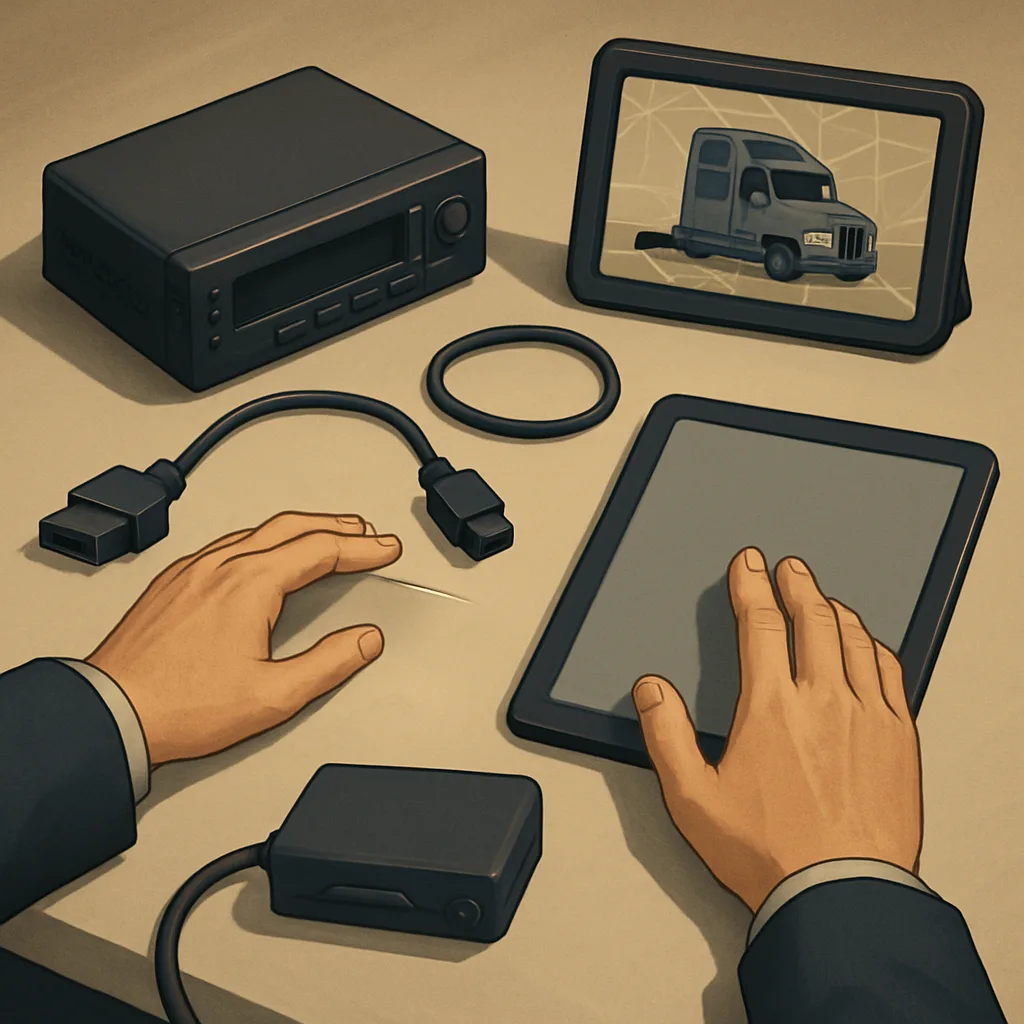
“Black box” is a general term, not the name of one universal device. A commercial truck may contain several electronic systems that collect different information. The available data depends on the truck’s make, model, equipment, software, the carrier’s practices, and whether the systems were functioning at the time of the collision.
Event data recorders and engine information
A truck event data recorder may capture limited pre-crash or crash-related information, such as vehicle speed, throttle position, brake application, seat-belt status, or changes in velocity. Engine-control modules and related systems may also contain diagnostic or operational information. These records can help establish a sequence, but they may not capture every input or provide a complete explanation of the driver’s decisions.
ELDs, GPS, and onboard cameras
Semi truck ELD data is primarily associated with hours-of-service records. It may help show driving periods, duty-status changes, location information, or possible gaps that should be examined alongside other evidence. GPS data can help place a vehicle on a route, while onboard cameras may show traffic conditions, lane movement, driver actions, or the moments before and after impact.
The records may conflict with one another. A GPS location point is not necessarily a precise measurement of speed, and a camera may have a limited view or recording window. Investigators generally compare multiple sources rather than treating one electronic file as conclusive.
Why Can Truck Crash Data Disappear or Need Interpretation?
Electronic evidence is useful only if it is preserved, authenticated, and understood in context. In Dallas, Texas, a carrier or its technology provider may control some records, while other information may be held by a truck owner, maintenance provider, insurer, or camera vendor. Retention periods and access methods can vary by system.
Records that may matter after a collision
- Event data recorder or engine-control-module information
- ELD logs and supporting duty-status records
- GPS, telematics, dispatch, and route data
- Forward-facing or driver-facing camera footage
- Electronic inspection, maintenance, and repair records
- Communications about the trip, load, route, or collision
- Post-crash downloads, photographs, and data-preservation records
A system may overwrite older files when storage is limited, when new trips are recorded, or when a vendor’s retention policy expires. A camera may record over footage unless an event flag protects it. A crash may also damage a device or interrupt power, which can affect what is recoverable.
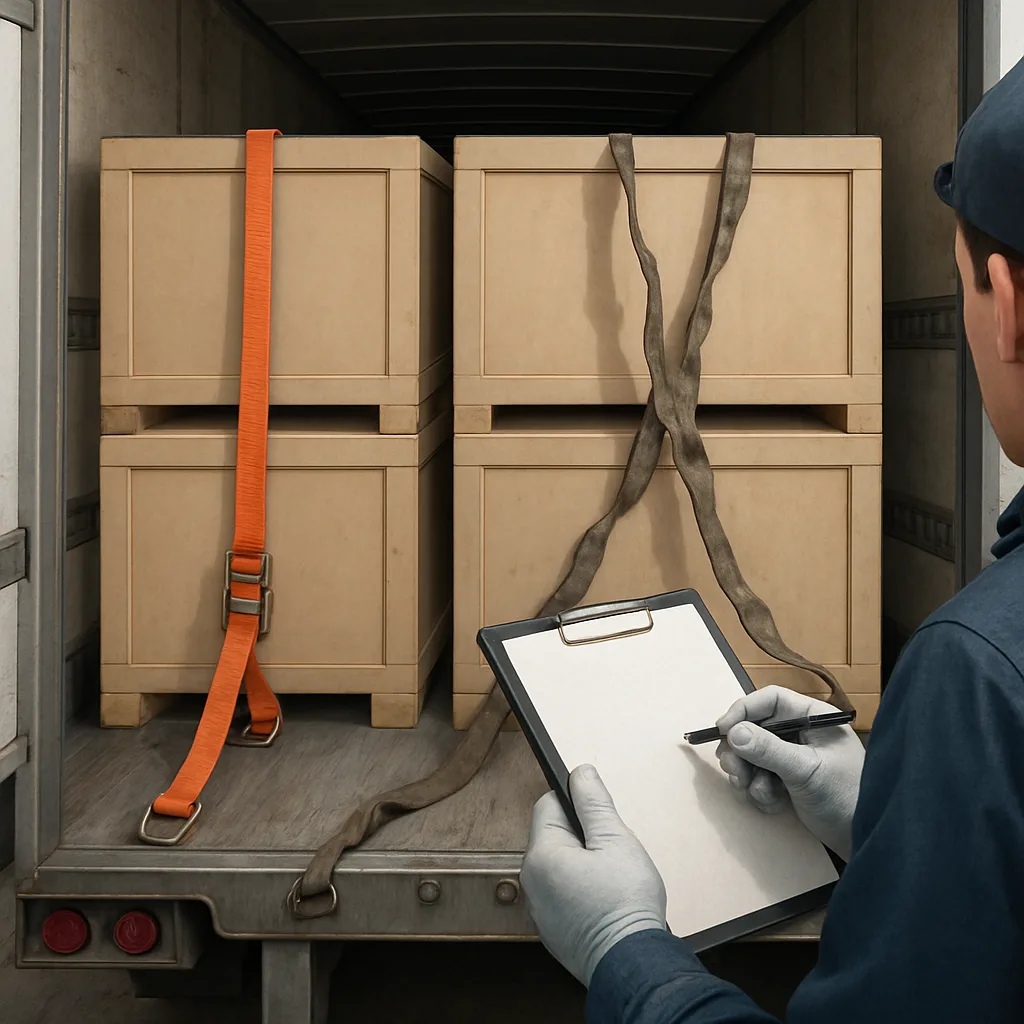
Electronic evidence also does not automatically establish legal responsibility. To understand what happened, an investigation may need to compare the data with the police or agency crash report, scene photographs, black marks, vehicle damage, eyewitness accounts, medical documentation, and physical measurements. For example, readers can review how cargo loading can contribute to a Dallas truck crash because speed and braking data alone may not reveal whether shifting or improperly secured cargo affected stability.
What should a crash victim discuss with counsel?
Generally, a victim may want to discuss prompt preservation of relevant electronic and physical evidence, identification of the carrier and vehicle owner, and whether a qualified professional should download or interpret the data. Counsel may also consider communications with the carrier or its insurer and the possibility that different companies control different systems.
Texas deadlines may affect how a personal-injury claim is evaluated, but the filing deadline does not itself preserve electronic records. A victim may wish to discuss both evidence preservation and the Dallas truck accident filing deadline with a licensed Texas attorney. Laws and procedures can vary by jurisdiction and may change over time.
How Should Dallas Crash Victims Evaluate Black-Box Evidence?
The most useful question is usually not “What does the black box say?” but “How does each record fit into the entire collision reconstruction?” A careful review may address the timing of braking, steering, acceleration, lane position, driver hours, roadway conditions, vehicle condition, and the actions of other road users.
A victim should also be cautious about relying on informal summaries. Data may require specialized software, a proprietary download process, or technical interpretation. Counsel may need to determine whether the original file, a working copy, a vendor report, or a screenshot is available and whether the information can be authenticated.
Electronic data may help identify potentially responsible parties, such as the driver, motor carrier, vehicle owner, maintenance provider, or another entity involved in the trip. It does not, by itself, determine which insurance policies may apply. Depending on the facts, a victim may need to examine whether more than one commercial insurance policy may apply.
Common mistakes include waiting to ask about preservation, assuming every truck has the same device, treating an ELD entry as a complete fatigue analysis, or deleting photographs and messages related to the crash. It can also be misleading to assume that a missing record proves what happened. A missing file may reflect retention practices, equipment damage, or another technical issue; its significance depends on the circumstances.
In Dallas County and elsewhere in Texas, a truck collision investigation may involve records from several sources. A lawyer evaluating the matter may coordinate with qualified investigators or data specialists, request relevant materials, and compare the electronic information with the physical evidence. The goal is to develop an accurate account rather than rely on one isolated data point.
Frequently Asked Questions
Does every 18-wheeler have a black box?
Not necessarily. Many commercial trucks have electronic systems that may store operational or crash-related information, but equipment varies by vehicle, model, owner, carrier, and technology provider. “Black box” may refer broadly to an event data recorder, engine module, telematics system, or another device. A lawyer or qualified investigator generally must identify the specific systems installed and determine whether any potentially relevant data remains available.
Can ELD records prove that a truck driver was fatigued?
ELD records may provide information about duty status, driving periods, and possible hours-of-service concerns, but they do not medically diagnose fatigue or prove a driver’s physical condition by themselves. Investigators may compare the logs with dispatch information, GPS data, communications, witness accounts, and other evidence. The meaning of an apparent inconsistency depends on the surrounding facts and applicable Texas and federal requirements.
Can a truck’s camera footage be obtained after a Dallas crash?
It may be possible, but access depends on who controls the system, whether the footage was preserved, the camera’s recording settings, and any damage to the equipment. Some systems retain only a limited period or protect footage only after an event trigger. A Dallas, Texas, attorney may discuss preservation and requests for the original footage or related download information.
What if the trucking company says no black-box data exists?
That statement does not necessarily answer whether other electronic records exist. A truck may have separate ELD, GPS, maintenance, dispatch, camera, or engine systems, and different entities may control them. Counsel may evaluate what equipment was installed, what retention practices applied, and whether other evidence can confirm or challenge the explanation. The significance of unavailable data depends on the facts and applicable legal rules.
How Husain Law Can Help
Husain Law is dedicated to helping Dallas, Texas, truck-collision victims understand the evidence that may shape a claim. The firm is committed to fighting for clients’ rights through a careful review of electronic records, scene evidence, vehicle information, medical documentation, and insurance issues. Because each collision is different, the team is ready to evaluate your situation and explain potential legal options without promising a particular result.
If you or a family member was involved in a semi truck collision, contact Husain Law for a free consultation or case evaluation. Promptly discussing the available records may help clarify what information should be preserved and investigated.
The information in this article is for educational purposes only and does not constitute legal advice. Contact a qualified attorney licensed in Dallas, Texas for advice specific to your situation.