

Can a Dallas Bar Share Blame in an Intoxicated Truck Crash?
A collision between a commercial truck and an intoxicated driver can leave injured people asking whether responsibility stops with the drivers. In Dallas, a Texas dram shop truck accident claim may raise a separate question: did an alcohol provider serve someone who was obviously intoxicated, and did that intoxication contribute to the crash? The answer depends on evidence and the circumstances of the service and collision.
Husain Law helps Dallas truck-crash readers understand how a broader investigation may consider each party’s conduct without assuming that any one person or business is liable. This article explains the basic Texas dram-shop principles, facts that may prompt further questions about alcohol service, and why evidence preservation and timing can matter. It also addresses how a possible alcohol-provider claim fits alongside an investigation of the truck driver and carrier.
When Can a Texas Dram Shop Truck Accident Claim Raise Questions About a Dallas Bar?
Texas dram-shop law may allow an injured person to pursue an alcohol provider when the legal requirements are met. In general, the central question is whether, when alcohol was provided, the recipient was obviously intoxicated to the extent that they presented a clear danger to themselves or others, and whether that intoxication was a proximate cause of the injuries or damage.
That is a fact-specific standard, not automatic responsibility for a bar whenever a customer later causes a crash. The provider’s role, what employees could observe, the timing and amount of service, and the events afterward may all matter. A person’s intoxication at the time of a collision does not, by itself, establish what condition they were in when served.
The potential provider claim is also distinct from claims involving the truck driver, motor carrier, or another party. A careful investigation may consider other potentially responsible parties in a Dallas truck crash while separately examining whether alcohol service could meet the Texas standard. Multiple possible claims do not mean that each party is liable; evidence must support each legal theory.
In Dallas, the crash location and the parties involved can affect where a claim is handled. The underlying questions, however, turn on the applicable Texas law and the specific evidence—not simply the fact that a collision involved a truck and an intoxicated motorist.
What Evidence May Prompt Further Questions About Alcohol Service?
The evidence that supports an impairment inquiry is not always the same evidence that shows what a bar or other provider knew or could observe. Investigators may look for reliable information about the person’s condition and activities before the crash, the timing of service, and the sequence of events.
Potentially relevant material may include:
- Witness accounts describing the person’s speech, balance, coordination, or behavior at the provider’s premises.
- Receipts, transaction records, or other information that may help establish when and what was served.
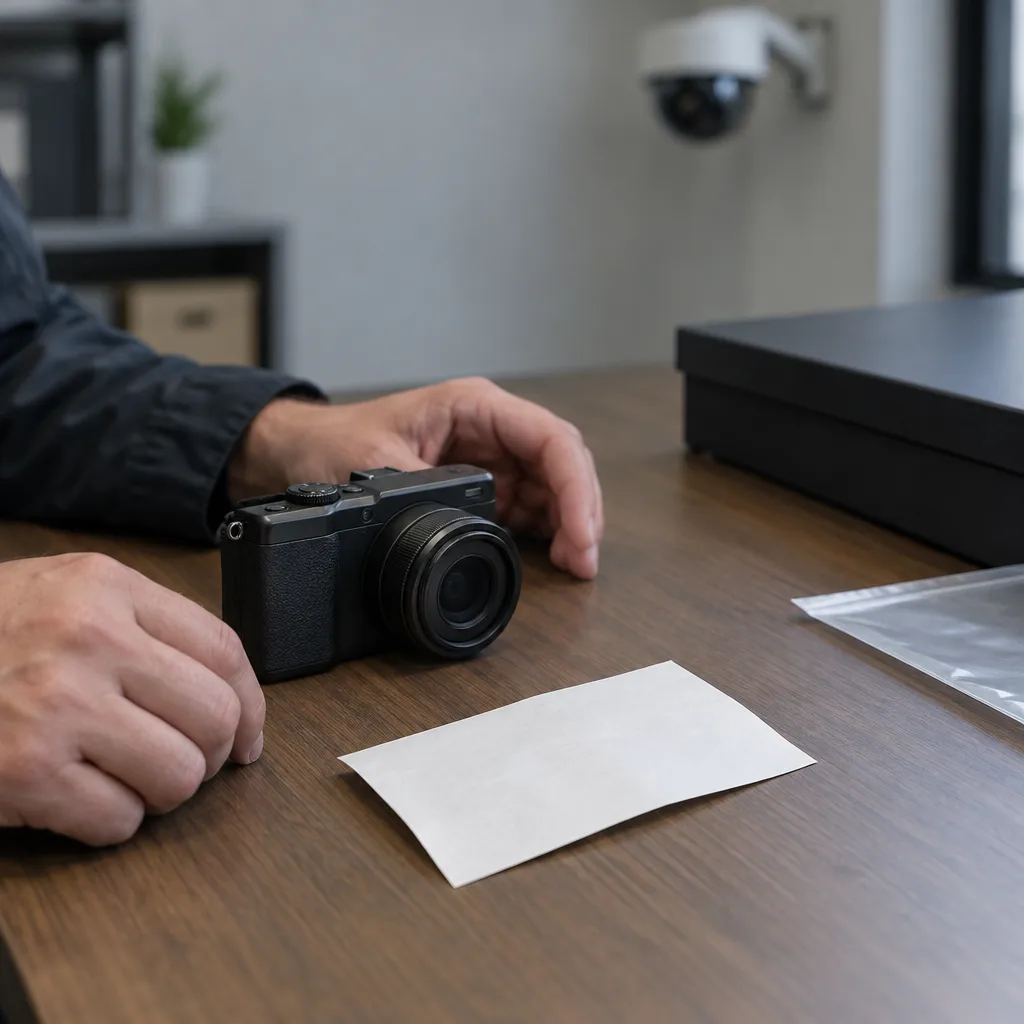
- Available surveillance footage, if it exists and has been preserved.
- Police or Texas Department of Public Safety crash records, witness statements, and observations made after the collision.
- Test results, considered alongside their timing and other evidence.
For example, post-crash alcohol test evidence in a Dallas truck case may help inform an impairment investigation, but a positive result alone does not establish the person’s condition at the time of service or prove that a particular provider served them while they met the legal threshold. The timing of testing and the full context matter.
The Texas Alcoholic Beverage Commission (TABC) regulates the state’s alcoholic beverage industry. Depending on the circumstances, records or information held by a provider, investigating agency, or regulator may become relevant. Their availability and significance vary. A Dallas crash report can help establish the circumstances of the collision, but it may not answer what happened earlier at an establishment.
How Can People Preserve Information and Avoid Common Missteps?
Information about a possible alcohol-service issue can be time-sensitive. Surveillance footage may be overwritten, witnesses’ memories can fade, and transaction records may not remain readily available. People affected by a Dallas truck crash may find it useful to understand early steps after a semi-truck crash in Dallas, including the importance of documenting available information through appropriate channels.
Generally, useful details to note or preserve may include the location and approximate timing of the crash, the names of known witnesses, and any information already available about where the other driver had been. This does not mean an injured person should personally confront a business, seek access to private footage, or try to conduct an investigation at a crash scene. Evidence should be handled lawfully and safely.
A common mistake is treating suspicion as proof. A driver’s apparent impairment after a collision does not by itself establish when alcohol was consumed, who provided it, or whether the Texas legal test was met. Likewise, a bar receipt or a single witness account may be incomplete without supporting context. Investigators may need to compare multiple sources and consider alternative explanations.
Timing can also matter for legal claims. Texas deadlines for filing a Dallas truck accident claim may depend on the type of claim, the parties, and the facts. Do not assume that adding a possible alcohol provider changes or extends an applicable deadline. A Texas attorney can assess timing based on the particular circumstances.
Frequently Asked Questions
Does a bar automatically share responsibility when an intoxicated driver causes a truck crash?
No. A crash involving an intoxication allegation does not automatically make a bar or another alcohol provider legally responsible. A potential Texas dram-shop claim generally requires evidence addressing the recipient’s condition when alcohol was provided, the provider’s conduct, and whether the intoxication proximately caused the harm. The facts must be evaluated individually, and the truck driver’s or carrier’s potential responsibility remains a separate question.
Can a dram-shop claim involve a driver who was not driving the truck?
Yes, the issue may arise if the intoxicated person was driving another vehicle that collided with a commercial truck. The claim would concern the alcohol provider’s alleged conduct in serving that person, not the truck’s status alone. Whether a claim is available depends on the evidence and the applicable Texas legal requirements, including the connection between the service, intoxication, and resulting injuries.
What if the crash happened in Dallas but the alcohol was served elsewhere?
The location of service may be relevant to gathering evidence, but it does not by itself determine whether a claim can be brought. A crash in Dallas may involve witnesses, records, and investigating agencies in more than one place. Questions about venue, applicable law, and parties require review of the specific facts. Texas dram-shop standards may apply, while procedural issues can vary with the circumstances.
Can family members pursue a claim if the injured person cannot do so?
Possibly, but who may bring a claim depends on the nature of the harm and the person’s legal relationship to the injured party. Texas law provides different procedures for personal-injury and death-related claims, and the proper claimant can depend on the facts. Family members should not assume that every relative has the same rights. A licensed Texas attorney can explain which options may apply.
How Husain Law Can Help
Sorting through a truck crash, possible impairment, and questions about alcohol service can involve several sources of evidence and more than one potential legal theory. Husain Law is committed to helping people in Dallas understand how a truck-crash investigation may address the drivers’ actions, the carrier’s role, and whether a provider’s conduct warrants further review. The firm can evaluate the circumstances and explain potential options without assuming that a claim will have a particular outcome.
If you are considering a claim after an intoxication-related truck collision, contact Husain Law to request a free consultation or case evaluation. An attorney can discuss the facts, possible evidence, and timing concerns specific to your situation.
Legal disclaimer: The information in this article is for educational purposes only and does not constitute legal advice. Contact a qualified attorney licensed in Dallas, Texas for advice specific to your situation. Laws vary by location and may have changed since publication.