
What Evidence Can Clarify Dallas Cargo-Shift Liability?
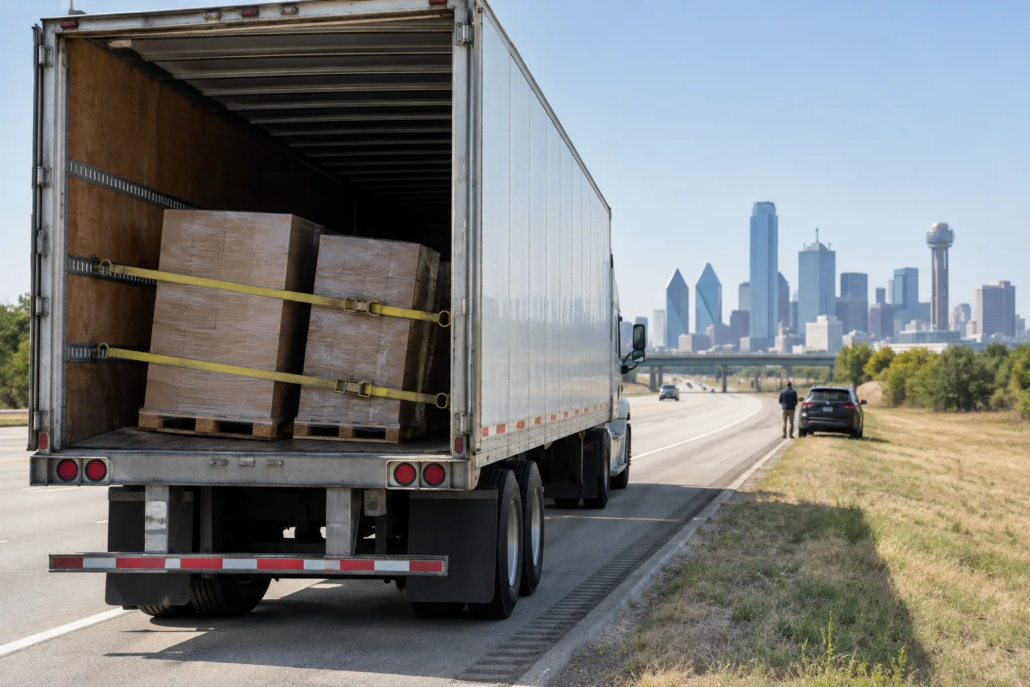
A truck’s cargo can move during a turn, a sudden stop, or a change in speed. If a load shifts and contributes to a crash, a central question is who had responsibility for loading, securing, checking, or driving the vehicle. Dallas truck accident cargo shift liability is not automatically assigned to the truck driver or the company whose name appears on the cab; it depends on the facts and the roles of everyone involved. For practical guidance on steps to take after a Dallas semi-truck crash, including safety and documentation priorities, consider how to record what you can without approaching traffic or cargo. A shifting load can affect a trailer’s balance, handling, or stability, but the crash sequence and the load’s condition need to be investigated rather than assumed. Husain Law helps readers understand the questions that may arise in these cases. This article explains who may share responsibility, what details may be worth preserving, and how evidence can help clarify competing accounts after a Dallas truck crash.
Who may share Dallas truck accident cargo shift liability?
A cargo-shift crash can involve several participants, and each one’s role matters. Responsibility may depend on who controlled a particular part of the work, what that person knew or reasonably should have known, and whether an act or omission contributed to the collision. The driver is one possible source of evidence, but not necessarily the only one.
Potentially relevant parties may include:
- The truck driver: The driver’s actions before and during the trip may matter, including observations about the load, vehicle handling, or a decision to continue driving despite a visible concern.
- The motor carrier: A carrier may have responsibilities related to vehicle operation, driver practices, inspections, or procedures, depending on its role and the evidence.
- The shipper or loader: A business or contractor that arranged or performed loading may be relevant if the placement, weight distribution, or securing of cargo is in question.
- Other cargo-handling participants: A warehouse, loading contractor, or another business may warrant investigation if it took part in preparing or transferring the load.
Why job roles and control matter
A bill of lading or other shipping record may help identify who arranged the shipment, but it does not by itself establish who physically loaded or secured the cargo. Investigators may compare records with testimony, photographs, and the condition of the load and trailer. General federal cargo-securement requirements may also be relevant, depending on the vehicle, cargo, and circumstances; applying them requires examining the specific facts.
In Dallas, identifying the businesses involved may require reviewing dispatch, shipping, and loading records. Understanding the potential claims against trucking companies and other businesses can help explain why responsibility may extend beyond the person behind the wheel.
What should you preserve after a suspected load shift?
A careful record of visible conditions can help preserve details that may change when a trailer is unloaded, moved, or repaired. Safety comes first: do not approach an unstable load, enter a roadway, or put yourself near moving traffic to get a photograph. If it is safe to do so, note what you observed and where you were when you saw it. The steps to take after a Dallas semi-truck crash include practical priorities for documenting a scene while keeping safety in view.
Useful details may include:
- Cargo condition: Record visible shifting, broken or displaced restraints, damaged packaging, or cargo that appears unevenly distributed. Describe what you can actually see rather than guessing how it happened.
- Trailer and truck information: Note the trailer type, any visible identifying features, the tractor and trailer configuration, and the direction each vehicle was facing. Avoid disturbing equipment or cargo.
- Scene photographs: If safe, take photographs from more than one angle, including the roadway, vehicle positions, trailer, and visible cargo. Keep original files when possible and note when and where images were taken.
- Witness accounts: Collect names and contact details, if appropriate, and make a brief note of what each person says they saw. Separate direct observations from later conclusions.
- Electronic evidence: A truck camera or other recording may help show movement before impact. Ask promptly about preserving relevant footage; learn more about how long truck dashcam footage may be retained, since some systems may overwrite recordings.
These details can give an investigator leads to follow, but no single photograph or witness statement necessarily proves why a load moved. In Dallas, preserving original images and noting the responding agency or report information may help connect scene observations with later records.
How is responsibility investigated and disputed?
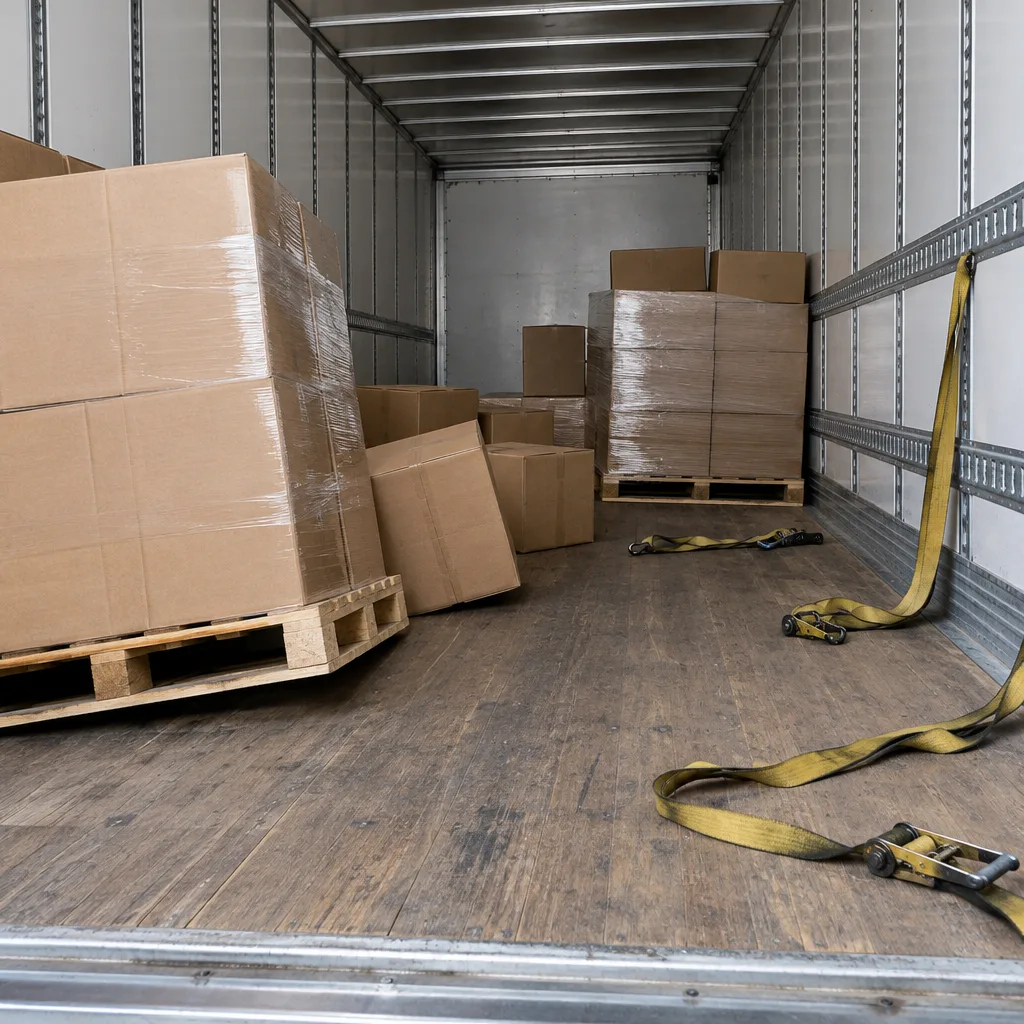
A load-shift investigation usually asks how the cargo was arranged and secured, what happened to it during the trip, and whether that movement contributed to the crash. The answer may require comparing evidence from different sources rather than relying on one account. For example, the trailer’s condition after the collision may be relevant, but investigators may also need loading records, dispatch information, inspection materials, and statements from people who handled the freight.
A qualified investigation may examine:
- The timeline: When and where was the cargo loaded, who handled it, and what happened between loading and impact?
- The load and trailer: What was the cargo’s position and condition? Were restraints or other securing methods present, damaged, or displaced?
- The trip and vehicle: What do available video, vehicle data, inspection records, or witness accounts show about movement, braking, turning, and the moments before the crash?
- Each participant’s role: Who had custody or control at each stage, and what duties or instructions applied to that participant?
In Dallas County, a civil claim may involve factual disputes about which conduct contributed to the collision. Texas proportionate-responsibility principles can affect how fault is assessed, so evidence about the sequence of events may matter if parties argue that another driver’s actions caused or contributed to the crash. Learn more about how Texas comparative fault can affect a Dallas truck claim. The applicable court and procedures depend on the facts and legal issues; an investigation should not assume that a shifting load alone resolves liability.
Frequently Asked Questions
Does a shifting load automatically make the truck driver responsible?
No. A driver’s conduct may be relevant, but responsibility depends on the evidence and the roles of other participants. The shipper, loader, motor carrier, or another business may also warrant examination if it handled or controlled part of the cargo process. Investigators may consider who loaded and secured the freight, what the driver could observe, and how the crash unfolded. The presence of shifted cargo alone does not establish fault.
What evidence may show how cargo moved inside a trailer?
Photographs of visible cargo and restraints, trailer information, witness accounts, loading or shipping records, and available video may help reconstruct what happened. Vehicle or dispatch records may also provide context. Evidence can be incomplete, and a picture taken after impact may not show the load’s original position. Preserving original files and identifying who handled the cargo can help an investigator assess the evidence in context.
Can a shipper or loader be involved in a Dallas truck crash claim?
Potentially, depending on the person or business’s role and the facts. A shipper may arrange transportation without physically loading the trailer, while a separate contractor may perform the loading or securement. Records and witness accounts can help distinguish those roles. Whether a participant may be legally responsible requires an assessment of the evidence, applicable duties, and how the alleged conduct relates to the crash.
What if the trucking company says another driver caused the crash?
That is a disputed explanation to evaluate against the available evidence. Photos, witness statements, video, the trailer and cargo condition, and the sequence of vehicle movements may help clarify whether and how different actions contributed. Texas fault rules may affect a claim when responsibility is contested. A lawyer can review the circumstances and explain what legal issues may apply without assuming that one party’s account is conclusive.
How Husain Law Can Help
Husain Law is dedicated to helping people understand the questions that can arise after a truck crash involving a shifting load. A review may consider the cargo’s condition, trailer details, photographs, witness accounts, and available business or electronic records. The firm is committed to fighting for clients’ rights while evaluating how the facts and applicable Texas law may affect a claim. No particular outcome can be promised, and every situation is different. If you were hurt in a Dallas truck crash, contact Husain Law to request a free consultation or case evaluation and discuss your circumstances.
The information in this article is for educational purposes only and does not constitute legal advice. Contact a qualified attorney authorized to practice in the jurisdiction that applies to your matter for advice specific to your situation. Laws vary by location and may have changed since publication.

Leave a Reply
Want to join the discussion?Feel free to contribute!