
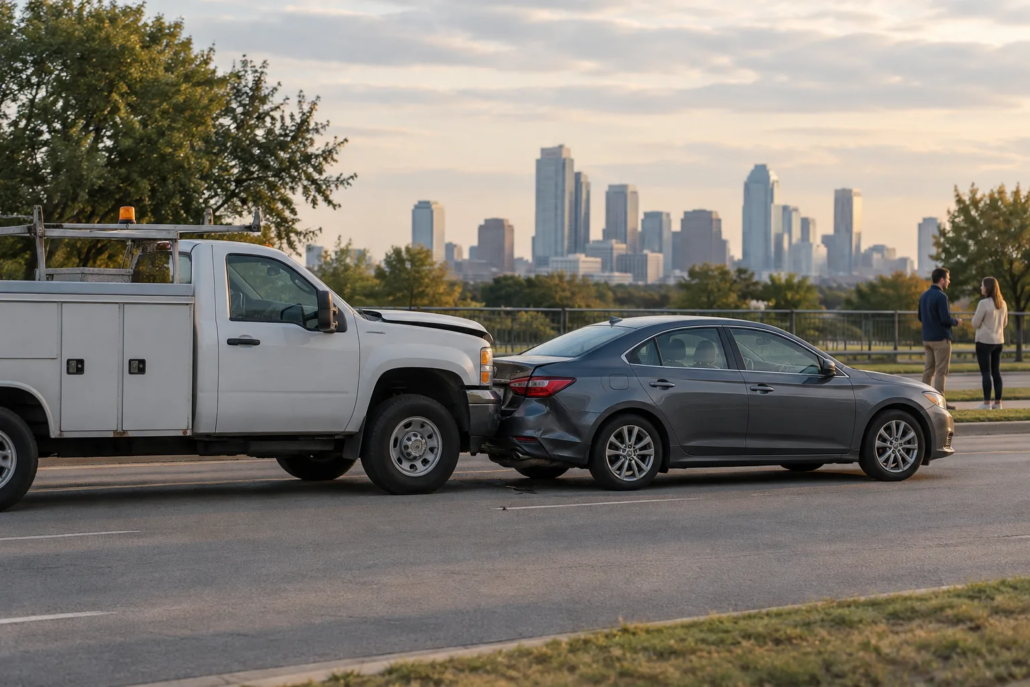
What Notice Applies After a Dallas Government Truck Crash?
A collision with a truck displaying city or public-agency markings can leave you with an immediate question: who is responsible, and does a special deadline apply? A Dallas truck accident claim against government may involve notice requirements and governmental-immunity rules that do not apply in the same way to a claim against a private carrier. The vehicle’s ownership, operator, purpose, and employing entity can all matter.
Husain Law helps readers understand the questions to raise after a serious truck collision. This guide explains how to identify whether a public entity may be involved, why gathering records promptly can matter, and what information to discuss with counsel. It offers general information about Texas law; the rules and deadlines that apply depend on the facts and may change.
Dallas truck accident claim against government: identify the entity
A truck that looks municipal may be owned by a city, another government agency, or a private company working under contract. A logo or paint scheme can be a clue, but it does not establish who employed the driver or controlled the vehicle. The relevant public entity may also be a county, transit authority, or state agency rather than the City of Dallas.
Ownership and operation are different questions
Try to distinguish who owns the truck from who operated it and who directed the work. A private contractor performing a public project does not automatically make the contractor or the government responsible for a crash. Similarly, public ownership alone does not resolve whether a governmental entity may be liable. These details can affect which entity should receive notice and whether an exception to governmental immunity may apply.
For context on how responsibility can extend beyond a driver, see this discussion of potential responsibility beyond the truck driver. It is a related issue, not a substitute for analyzing public-entity status or immunity.
Record identifying details while they are available
If it is safe and practical, note the vehicle number or other identifier, agency name, location, time, direction of travel, and the names or contact details of witnesses. Keep photographs and the responding officers’ information. These details may help identify the right entity and support a later investigation. For more practical guidance, review Dallas truck-crash steps for documenting the scene.
Notice rules and evidence in a Dallas city vehicle accident claim
The Texas Tort Claims Act provides a limited waiver of governmental immunity for certain claims, including some involving the use or operation of a motor-driven vehicle by a government employee acting within the scope of employment. Whether a particular crash fits the law’s requirements is fact-specific; the Act does not make every collision involving a public vehicle an automatic claim against the government.
Texas law generally requires notice to the governmental unit within six months of the incident. The notice must describe the injury or damage, the time and place of the incident, and the incident itself. A governmental unit may have actual notice in some circumstances, but whether it does is a legal and factual question. Local charter provisions may impose a shorter deadline when legally applicable, so a person should not assume the general period is the only one to consider. Laws and local requirements can vary and may change.
Notice is not the same as a lawsuit deadline
A notice requirement and the deadline to file suit are separate issues. Do not assume that having time under an ordinary limitations period means there is the same amount of time to notify a public entity. This overview of Dallas truck accident filing deadlines explains that distinction generally; it does not determine the deadline for a particular government claim.
Ask about records that could explain the collision
Crash reports, photographs, witness accounts, dispatch or maintenance records, and communications about the vehicle may help clarify what happened. Depending on the truck, electronic data may also exist. Ask counsel whether electronic truck records that may explain a collision could be relevant and whether a preservation request is appropriate. Do not assume every vehicle stores the same data or that all records are held by the same entity.
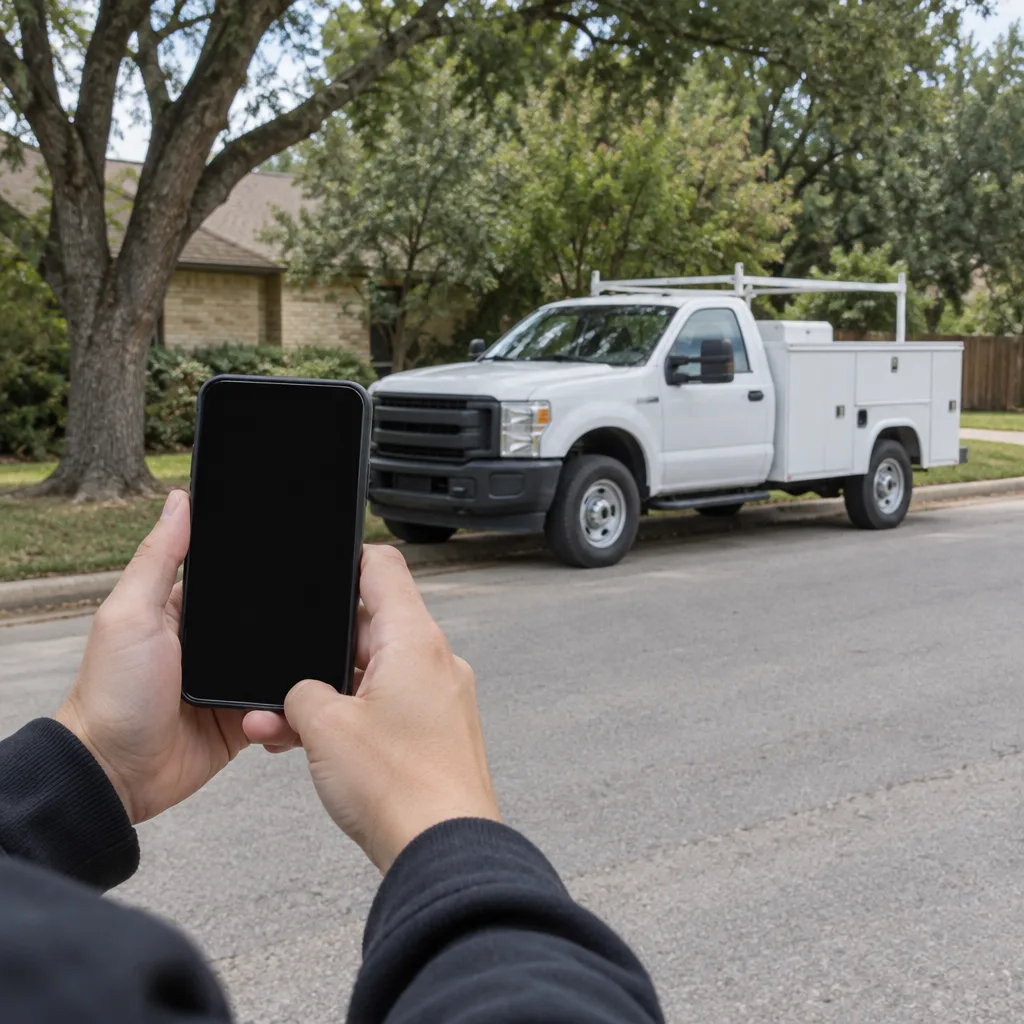
What to discuss with counsel after a government truck crash
A clear timeline and a few reliable identifiers can help counsel assess which public entity, if any, may be involved. In Dallas, the crash location alone does not identify the proper recipient for notice. The truck may belong to an agency based outside the city, or a private business may own and operate it while doing public work.
Depending on your circumstances, useful topics to discuss with a lawyer may include:
- The truck’s identifying details, markings, route, and apparent purpose.
- Whether the driver was a government employee, contractor, or another worker, and who directed the work.
- The crash date, time, location, responding agency, witnesses, and any report or claim number.
- Available photographs, communications, medical records, and expenses related to the collision.
- Whether a notice deadline applies, which entity should receive notice, and whether any local requirement needs separate review.
- Whether records may be lost or overwritten and whether a preservation request should be considered.
Keep copies of messages or letters received from an agency, insurer, or contractor. Avoid assuming that an acknowledgment or an investigation means formal notice requirements have been satisfied. A lawyer can review the facts and explain which issues may need prompt attention. A reader seeking local counsel can explore Dallas truck accident lawyers and discuss whether the firm’s services fit their situation.
Frequently Asked Questions
Does a city-owned truck automatically make Dallas liable?
No. Public ownership alone does not establish liability. The facts may need to show that the claim falls within a legal waiver of governmental immunity, such as a qualifying claim involving the use or operation of a motor-driven vehicle by a government employee acting within the scope of employment. The driver’s role, the vehicle’s use, and the circumstances of the crash all matter.
How soon might I need to notify a government entity?
Texas law generally calls for notice within six months, but local charter rules may require earlier notice when applicable. The correct recipient and the information required can depend on which entity is involved and the claim’s facts. Actual notice may also be relevant, but it should not be assumed. A Texas attorney can assess the deadlines that may apply.
What if a private contractor was driving the truck?
A contractor’s involvement does not, by itself, determine whether a public entity or private company may be responsible. Relevant questions can include who owned the truck, employed the driver, controlled the work, and was responsible for the conduct connected to the crash. Identifying each potentially involved party can help counsel evaluate notice requirements and other legal issues.
What information should I bring to an initial legal discussion?
If available, bring the crash date and location, vehicle or agency identifiers, photographs, witness details, police or incident information, and any letters or messages from a public entity or insurer. Records of medical care and related expenses may also help explain the impact of the collision. Do not delay asking about deadlines while trying to collect every possible document.
How Husain Law Can Help
Husain Law is dedicated to helping people understand the legal questions that may follow a truck collision involving a city or other public entity. The team can review available crash details, discuss the possible roles of a public agency or private contractor, and evaluate questions about notice, immunity, and evidence preservation. Each matter depends on its own facts, and no article can determine the outcome or deadline for an individual claim.
If a government-owned or operated truck was involved in your Dallas-area collision, contact Husain Law to request a free consultation or case evaluation. A conversation can help you understand what information may be relevant to your situation.
The information in this article is for educational purposes only and does not constitute legal advice. Contact a qualified attorney authorized to practice in the jurisdiction that applies to your matter for advice specific to your situation.

