

Can a Repaired Car Lose Value After a Dallas Truck Crash?
A collision with a commercial truck can leave a vehicle looking repaired but with a permanent accident history. If you are asking whether your car may be worth less after a Dallas truck crash, the issue is often called diminished value: a possible difference between the vehicle’s market value before the collision and its value after repairs. A diminished value claim after a truck accident in Dallas is separate from the cost of fixing the vehicle and from any bodily-injury claim. For an overview of early documentation, see Dallas truck-crash steps for preserving evidence. Husain Law helps Dallas drivers understand the records and questions that can matter when a commercial insurer evaluates vehicle damage. This guide explains what diminished value means, which evidence may support a request, how to communicate with an insurer, and when a disputed valuation may warrant legal review. The amount, if any, depends on the vehicle, the damage, the repairs, the available evidence, and the applicable insurance terms.
What a Diminished Value Claim After a Dallas Truck Accident Covers
Diminished value describes a potential reduction in a vehicle’s market value after it has been damaged and repaired. A buyer may view a vehicle with a significant collision history differently from a comparable vehicle without that history, even if the repair work restored its function and appearance. This possible resale impact is distinct from the amount paid to repair the vehicle.
A property-damage request may involve more than one category, depending on the facts and the applicable policy or liability claim. Repair costs address work needed to fix damage. Diminished value addresses a claimed difference in market value after repairs. These categories should not be treated as interchangeable, and a repair estimate by itself does not establish a specific post-repair loss.
What can affect the claimed loss?
Relevant considerations may include the vehicle’s age, mileage, make and model, prior condition, severity and location of the damage, quality and completeness of repairs, and whether structural or safety-related components were affected. A major commercial-truck collision may produce extensive repair records, but the size of the vehicle involved does not automatically establish how much value the car lost.
In Dallas, Texas, the evidence should connect the claimed loss to this particular vehicle and collision. An insurer may assess the request under the terms of its policy or its evaluation of a liability claim. The applicable process can differ, so it is useful to keep the repair-cost question separate from the valuation question.
Which Records May Support a Texas Diminished Value Insurance Claim?
A persuasive request is built from records that show both the vehicle’s condition before the crash and what happened during and after repairs. Preserve original documents where possible, and keep copies of anything sent to an insurer or repair facility. Missing or inconsistent records can make it harder to understand how the claimed loss was calculated.
Useful evidence may include:
- Repair estimates and invoices: Keep the first estimate, supplements approved as hidden damage is found, the final invoice, and records of parts and labor. These can show the scope of work and whether repairs changed during the process.
- Pre-crash condition evidence: Service records, recent inspection reports, dated photographs, maintenance history, and prior appraisals may help establish the vehicle’s condition before the collision.
- Vehicle-history information: Obtain a history report or other records showing prior accidents, title history, ownership, mileage, and existing damage. Prior damage should be distinguished from damage caused by this crash.
- Post-repair condition and valuation evidence: Keep photographs of completed repairs, any inspection findings, and a written valuation analysis that explains its sources, comparisons, assumptions, and method.
Photographs taken before repairs begin can document visible damage and the vehicle’s overall condition. Retain estimates, invoices, and communications as the repair progresses. These practical Dallas truck-crash steps for preserving evidence can help owners organize records without assuming that any single item proves a particular amount of loss.
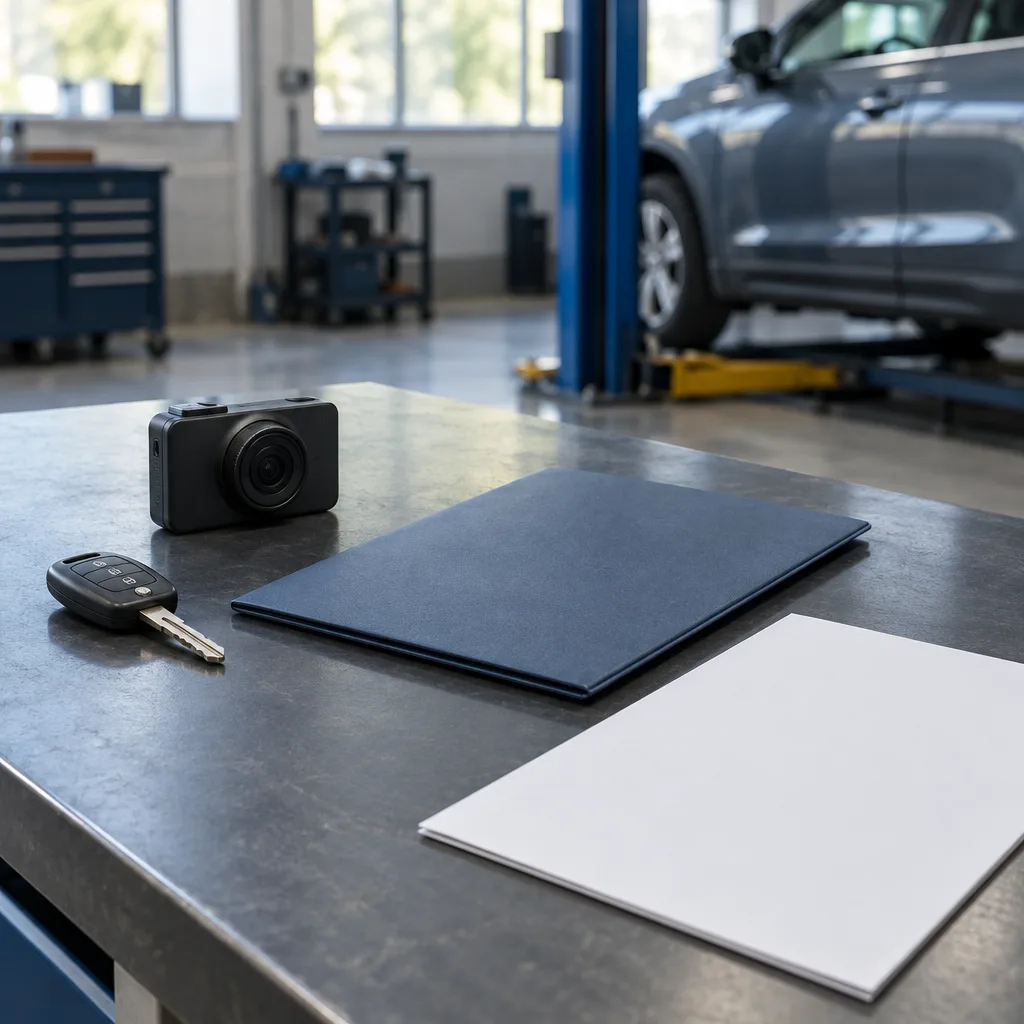
A valuation report is more useful when it addresses the specific car rather than applying a broad percentage without explanation. Relevant comparisons should account for factors such as mileage, trim, options, pre-crash condition, repair history, and local market data. You may also retain written offers or appraisal information that reflects the vehicle’s post-repair condition, while recognizing that an asking price or single offer may not establish market value by itself.
For a Texas truck accident property damage claim, policy language and claim circumstances matter. A first-party insurer and a commercial carrier being asked to pay for another party’s alleged responsibility may evaluate a request differently. Review the relevant policy and written claim communications; do not assume every policy covers diminished value or uses the same standard.
How to Address Insurer Questions and a Disputed Valuation
Insurers may request repair documents, photographs, vehicle-history information, or an explanation of how a claimed post-repair loss was calculated. Keep communications organized and accurate. When discussing the request, distinguish the repair bill from the separate amount being claimed for reduced market value, and make clear which records support each figure.
A settlement or release can affect which property-damage issues remain open, depending on its wording and the claim circumstances. Before accepting payment that appears to resolve all vehicle-related losses, read the document carefully and ask what claims it covers. If an insurer requests a recorded statement or proposes a quick resolution, this guide to handling a trucking insurer’s request for a recorded statement offers additional context. It is general information, not a substitute for advice about a particular release or policy.
If the insurer disputes or denies a diminished-value request, compare its explanation with the evidence submitted. Check whether it addressed repair supplements, prior vehicle history, pre-crash condition, and the valuation method. A disagreement may concern whether the collision caused the alleged reduction, the reliability of the comparison vehicles, or the amount claimed—not simply whether repairs were completed.
In Dallas, Texas, a disputed commercial-truck vehicle-damage claim may raise questions about liability, policy terms, evidence, and deadlines. Keep denial letters and claim correspondence with the supporting records. Readers weighing options after a Dallas truck accident claim denial can review general considerations for assessing a denial. An attorney can evaluate the available facts and explain possible options; the right approach depends on the specific claim.
Frequently Asked Questions
Can I seek diminished value if the truck insurer already paid for repairs?
Possibly. Repair payment and a request for post-repair market-value loss are different issues, but whether a separate request remains available depends on the claim, policy, payment documents, and any release you signed. Review settlement papers closely and retain the repair and valuation records. A Texas attorney can assess how the specific documents and circumstances may affect your options.
Does every repaired vehicle lose market value after a collision?
No fixed amount—or any loss at all—can be assumed for every vehicle. Age, mileage, prior history, damage severity, repair quality, local demand, and other factors can affect a vehicle’s market value. A documented collision history may matter to buyers, but a reliable assessment should consider the specific vehicle and evidence rather than rely on a universal formula.
Can I make a diminished-value request before repairs are finished?
You can begin organizing evidence while repairs are underway, including initial estimates, supplements, photographs, and pre-crash records. A post-repair assessment may be more informative once the final work and any inspection findings are documented. Timing and claim procedures can vary by insurer and circumstance, so avoid treating an early estimate as a final valuation.
What if my car had damage or an accident history before the truck crash?
Prior damage or accident history does not necessarily end a request, but it can affect the comparison between the vehicle’s pre-crash and post-repair value. Records that identify the earlier condition and distinguish old damage from new damage may be important. Be accurate about the history; a valuation that overlooks it may be less persuasive to an insurer or reviewer.
How Husain Law Can Help
Husain Law is dedicated to helping Dallas-area drivers understand the issues that can arise after a commercial-truck collision, including a possible loss in vehicle value after repairs. The firm can review available repair records, vehicle-history information, pre-crash condition evidence, valuation materials, and insurer communications to help clarify the questions involved. If a substantial value loss is disputed, fault is contested, or the insurer declines to consider supporting evidence, Dallas truck accident lawyers can discuss whether legal assistance may be appropriate. Contact Husain Law to request a free consultation or case evaluation. Speaking with the firm does not guarantee any particular result.
Disclaimer: The information in this article is for educational purposes only and does not constitute legal advice. Contact a qualified attorney licensed to practice in Texas for advice specific to your situation. Laws vary by location and may change.

